
HSL JOURNAL
How much does a handyman cost in London?
The cost of a handyman visit depends on the jobs, the time involved and what is needed at the property. Here is how to make an enquiry that gives our team enough information to discuss a useful estimate.

Start with the complete list
Tell us about every item you would like considered, even if the first job looks small. A shelf, a sticking door and furniture assembly need different tools and can take different amounts of time. Photographs, measurements and product links help us understand the work before a visit.
If you have several jobs, ask whether they can be combined. We can discuss the order, access and whether any task needs a separate assessment or specialist.
What affects the estimate?
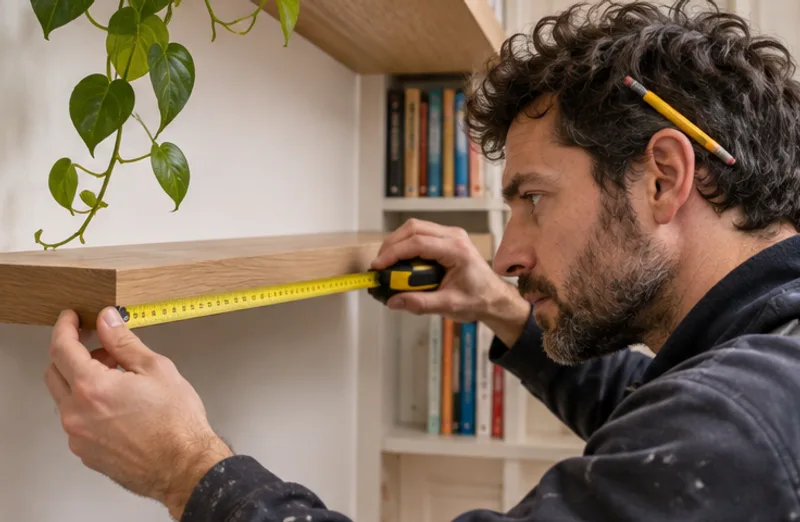
The condition of the surface, the type of fixing, access to the work area and whether materials are supplied can change the time needed. For example, fitting a shelf to a solid wall may need different fixings from a hollow partition. Tell us what you know; we will ask for further details where needed.
Parking, disposal, VAT, minimum charges and materials are sensible points to clarify when requesting a quote. An estimate is specific to the information available and is not the same as a confirmed fixed price.

Published price ranges
Our price guide sets out the ranges currently published by HSL for different types of work. They are guides rather than a quote for a particular property. The price of your visit is discussed using the details you provide.
If an inspection reveals additional work or a supplied item cannot be fitted as expected, we will discuss the next step and any change in cost before proceeding.

Ask for a visit
Send the postcode, a short list of jobs and clear photographs. Include the item dimensions, product links and any deadlines where relevant. Our contact page explains how to reach the team.
Why the number of jobs does not tell you the price
Two task lists of the same length can require very different amounts of work. Assembling a small bedside cabinet is different from assembling a large wardrobe with sliding doors. Fitting a lightweight accessory to a known surface differs from assessing a heavy item on an uncertain wall. We look at the actual items, the installation conditions and the preparation required. Describing every task as “a quick job” removes the details that help us discuss a realistic estimate.
List each item separately and identify which one matters most. For furniture, give the product name or link and the quantity. For repairs, describe what is damaged and how it behaves. For installations, include the dimensions, approximate weight where available and preferred position. A clear enquiry helps us distinguish fitting work from the additional work that might be needed to make fitting possible. It also makes it easier to discuss whether the tasks belong in one appointment or need different arrangements.
Labour, preparation and the condition of the surface
The visible fixing is only part of many jobs. A visit may involve checking the item, reviewing the proposed position, protecting the immediate area, identifying suitable fixing points and assembling supplied components. A damaged or uneven surface can change what is practical. Old fittings may have left holes that need attention, or a replacement may have different mounting points. Tell us about those conditions instead of assuming they are included in the same price as a straightforward installation.
For decorating, the condition beneath the finish matters. A wall that needs local preparation is different from one with extensive damage or an unresolved damp problem. For carpentry, explain whether you want an existing component adjusted, repaired or replaced. Those descriptions lead to different discussions about materials and time. We may need additional photographs, measurements or a site assessment before giving a useful answer. An estimate based on incomplete information should not be treated as a promise that concealed problems are included.
Materials and customer-supplied products
Tell us what you have bought and what you expect us to discuss supplying. Include brackets, handles, runners and other small components as well as the main item. A product box may contain fixings, but that does not establish that they suit the surface at your property. Keep the manufacturer's instructions and the original parts together. If you are still choosing a product, share the link before ordering where possible so that installation questions can be identified earlier.
Clarify how materials are reflected in the estimate and whether any collection or additional visit would be involved. Do not compare one figure that includes a replacement part with another that covers labour alone. If the supplied product is damaged, incomplete or the wrong size, there may be a separate decision about replacement before work can continue. We discuss the next step rather than assuming permission to buy a different item. The person approving costs should be reachable while the work is being considered.
Combining jobs in one visit
Combining suitable tasks can make an appointment easier to organise, but the order still matters. Furniture assembly may need clear floor space that would otherwise be used for decorating preparation. A wall-mounted item may need its position agreed before nearby furniture is placed. Explain the complete list before booking, rather than adding several unrelated jobs when the visit begins. That allows our team to discuss tools, materials and whether another trade or a separate assessment is needed.
Mark tasks as essential, desirable or dependent on another job. For example, fitting a curtain pole may be essential, while touching in old fixing holes may need a separate conversation about the finish. If your available time is limited, tell us before the appointment is arranged. Ask what can reasonably be considered within those arrangements. A long list does not automatically mean that every task has been accepted, priced or allocated time. Keep the agreed list with the appointment details so everyone is working from the same information.
Access, parking and practical arrangements
Access affects the organisation of work, particularly in flats, managed buildings and properties with limited loading space. Tell us the floor, whether a lift is available and whether there are restrictions on working hours or carrying materials through common areas. Explain where tools can be brought in and whether any building manager needs to be notified. These details are more useful before the visit than after the team has reached a locked gate or an unbooked service lift.
Ask which practical charges, if any, are included in the figure discussed. Parking, materials, disposal, minimum booking arrangements and VAT should be clarified rather than inferred. We do not publish an invented standard allowance for these items in this article. The relevant information belongs in the estimate for your work. If two quotes look very different, compare the assumptions about access and inclusions before deciding that the difference is simply an hourly rate. A lower headline figure may describe a smaller amount of work.
Estimates, fixed prices and additional work
An estimate expresses the expected cost using the information available. A fixed price, where one is agreed, needs a clear description of the particular work and its inclusions. Ask which type of figure you are being given. Keep the photographs, product details and task list that informed it. If you subsequently change the item, quantity or proposed position, tell the team so the price can be reviewed against the revised job rather than the earlier description.
Sometimes a closer inspection reveals a damaged fixing surface, unsuitable existing components or another problem that was not visible in photographs. Ask how that will be explained and who will approve the next step. The answer may involve a replacement item, another trade or postponing part of the work. Do not assume additional work can be completed immediately or at the original figure. We discuss what has changed before proceeding with a revised arrangement. A written note helps prevent the initial and revised tasks being confused later.
A useful request for an estimate
A strong enquiry describes the property and the job in ordinary language. Give the postcode, the number of items, their dimensions or product links and the materials already on site. Add a wide photograph for context and a close photograph of the detail that needs attention. Explain whether the work area can be cleared and who can approve positions or additional costs. Mention any deadline without assuming a particular appointment or completion time is available.
Read our published price guide alongside the service page for your task. Use it to understand the types of work discussed, then ask our team about your actual property. Keep the answer with your task list, including any exclusions or details still to be confirmed. If you decide to change the job, send an updated list before the appointment. That gives us a better basis for discussing a visit than an isolated question about the cheapest possible hourly figure.
Illustrative images.
Discuss a job with our team
Tell us what needs attention, your postcode and any useful photographs.